Is Zinc Important for Children's Mental Health? What Parents Need to Know
By Jess Sherman, FDN-P, M.Ed, CFNP Updated: May 2026
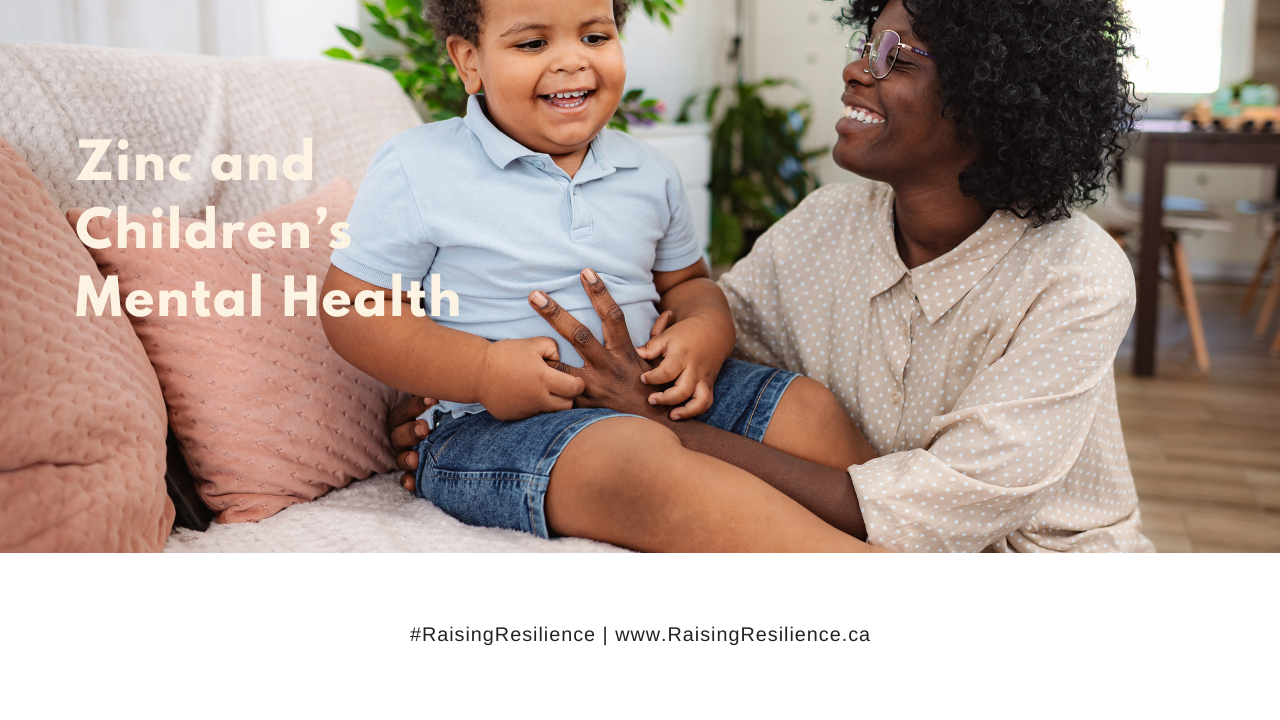
Zinc might be one of the most underrated minerals in children’s mental health. We talk about sleep, we talk about social connection, we talk about screen time…. But the biology underneath a child's anxiety, moodiness, or emotional reactivity needs a bit more airtime. So let’s go there now in a conversation about zinc.
Is zinc important for a child's mental health?
Yes. Zinc is one of the most important and most underappreciated minerals for children's brain health and emotional regulation. It plays a direct role in producing serotonin and dopamine which regulate mood, motivation, and calm. It also supports something called BDNF (brain-derived neurotrophic factor), which acts like fertilizer for the brain's emotional regulation centers. When zinc is low, BDNF drops. And when BDNF drops, so does a child's ability to manage stress and stay regulated. Zinc is also involved in digestion, detoxification, and immune regulation, which may be further ways low levels impact mental wellness.
What does the research say about zinc and children's mental health?
Research looking at the potential impact of zinc on mental health goes back at least to the 1970s and continues to this day.
The current studies we have are small, but still relevant.
A 2024 study found a significant inverse relationship between zinc levels and depression severity in adolescents (the lower the zinc, the worse the symptoms). A 2021 systematic review found that lower zinc status is consistently linked to worsening ADHD symptoms in children and teens, including inattention, irritability, impulsivity, and anxiety.
Low levels of zinc may also correlate with Anorexia Nervosa and ARFID, low appetite, and violent behavior.
When we published resarch to an understanding of what zinc does in the body, along with clinical observation as to the effect of zinc supplementation, we can better start to see how a child's nutritional status shapes their mental health in very real, measurable ways.
What are the best food sources of zinc for children?
Zinc is found in whole foods most families already have access to, which emphasizes the importance of a whole foods diet to support mental wellness.
Animal sources are the most bioavailable, meaning the zinc in them is easiest for the body to absorb and use:
- Beef and lamb — among the richest sources you can find. Ground beef, a simple burger, or a lamb chop all count. Red meat gets a bad reputation, but for kids who need zinc, it earns its place at the table.
- Chicken and turkey — easy, versatile, and a solid everyday source. Dark meat contains more zinc than white, so thighs and drumsticks are a great choice.
- Eggs — a modest but reliable source, and one most kids will actually eat willingly.
- Seafood — crab and shrimp are approachable for most families and are zinc-rich.
Plant-based sources contribute too, though the zinc in them is somewhat less absorbable. Soaking, sprouting, or fermenting these foods can help the body get more from them:
- Pumpkin seeds — the standout plant source. Easy to add to oatmeal, smoothies, or eaten as a snack.
- Lentils and chickpeas — a natural fit in soups, stews, and pasta dishes.
- Hemp seeds — easy to stir into almost anything without kids noticing, and a surprisingly good source.
I never suggest parents overhaul how their family eats overnight. But simple swaps may help you get more zinc-rich foods into your child.
Can genetics affect how much zinc a child needs?
Yes, and this is something we need more data on and understanding about. Two children can eat the same diet and end up with very different zinc levels because genetics play a role in how the body absorbs and uses zinc.
Specific gene variants, particularly in the SLC family, affect how efficiently the body moves and uses zinc at the cellular level. A child with a variant here may have higher zinc needs than even a pretty good standard diet provides. This is part of why understanding a child's unique biology matters so much more than following generic nutrition advice.
My child has Anxiety. Should I give them a zinc supplement?
Not necessarily, but Zinc status is likely worth pursuing.
Think of minerals like little underappreciated workhorses; they are catalysts in the body - working together as an interconnected matrix to make things happen.
Mineral status in general is worth considering, but zinc, magnesium, iron, and copper are the most well-studied, most measurable mineral players when it comes to mental wellness.
When we understand a child's individual biology — their nutrient status, their genetic tendencies, their stress load — we can support them in ways that actually move the needle.
Summary: Zinc and children's mental health — key takeaways
- Zinc is essential for producing serotonin, dopamine, and BDNF — all critical for mood and emotional regulation
- Research links low zinc levels to Anorexia Nervosa, ARFID and picky eating behaviour, violent behaviour, depression, anxiety, and ADHD symptoms in children and teens
- Good food sources include beef, lamb, pumpkin seeds, lentils, chickpeas, and eggs
- Genetic variants in zinc transporter genes can increase a child's zinc needs beyond what diet alone provides
- Supplementing without understanding individual biology isn't the answer — precise support starts with knowing your child's specific needs
If you're curious about what might be driving your child's anxiety, mood, or behavior at a biological level, that's exactly what we explore together. Find out where to start here.
--------------------------
Select References:
Egyptian Journal of Neurology, Psychiatry and Neurosurgery (2024). Zinc levels and depression in adolescents.
Ghoreishy et al. (2021). Zinc status in attention-deficit/hyperactivity disorder: a systematic review and meta-analysis of observational studies. Scientific Reports, 11, 14612.
Related Articles:
https://www.jesssherman.com/blog/do-neurotransmitters-matter-to-children-s-mental-health
https://www.jesssherman.com/blog/nutrients-to-help-kids-anxiety